
Deal BreakdownMay 10, 2026
This Brand New Laundromat Might Be a Terrible Buy
This laundromat is completely brand new, but is it actually a good buy?
The valuation is below industry averages, the debt coverage is strong, and the business reportedly operates absentee. But the listing leaves out one of the most expensive variables in any laundromat acquisition.
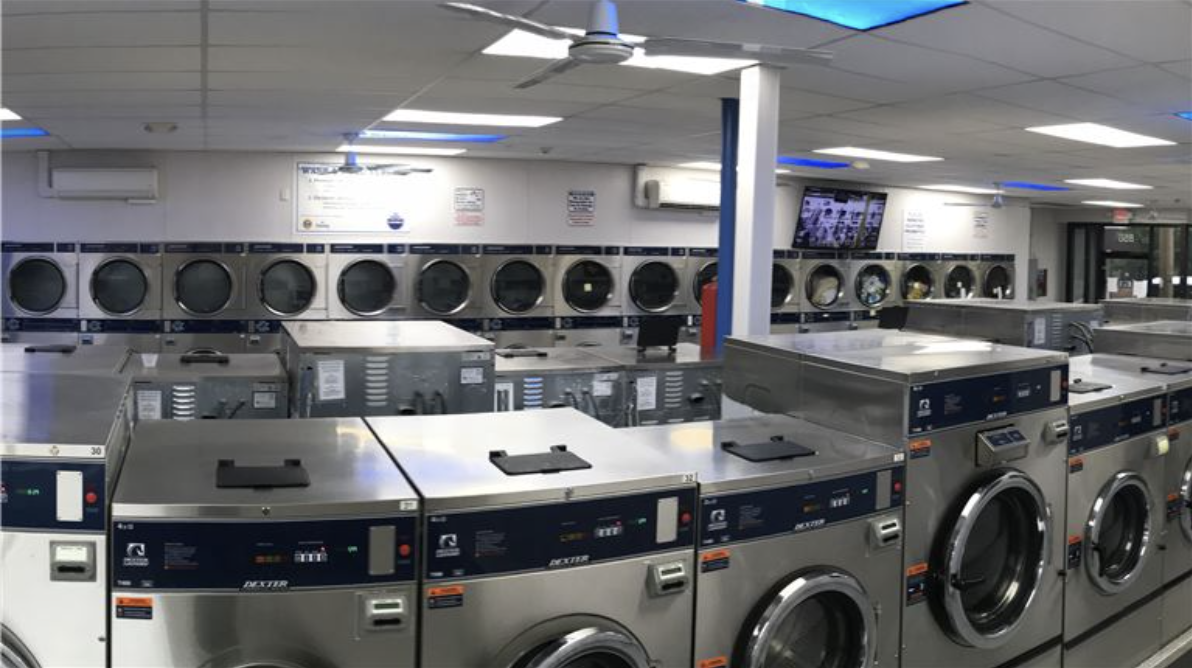
This Upper East Side laundromat is listed as an absentee-owned operation and is being sold because the owner is retiring.
According to the listing, the business generates approximately $672,756 in annual revenue and $202,512 in seller's discretionary earnings.
At first glance, the numbers are attractive. The business produces meaningful cash flow, the valuation is below industry benchmarks, and seller financing may be available.
But laundromats are heavily dependent on three assets that do not appear clearly in the headline financials: the equipment, the lease, and the location.
Using a standard financing scenario with 10% down, the business is projected to generate approximately $114,737 in annual cash flow after debt payments.
A DSCR of 2.31 provides a healthy cushion above typical lender requirements.
The deal also comes in at a 2.94x cash flow multiple, noticeably below the industry average of approximately 3.72x.
Its revenue multiple of 0.88x is also below the industry average of roughly 1.33x.
On valuation and financing alone, this appears to be one of the stronger laundromat listings.
The company reports a 30.1% profit margin, below the industry benchmark of approximately 35.78%.
That difference is not automatically a major problem. An absentee-owned laundromat may carry additional payroll or management expenses that reduce reported cash flow compared with an owner-operated store.
However, the lower margin could also reflect high rent, utility inefficiency, repair costs, underpriced services, or aging equipment.
A buyer should determine whether the margin difference is the cost of absentee ownership or evidence of deeper operating issues.
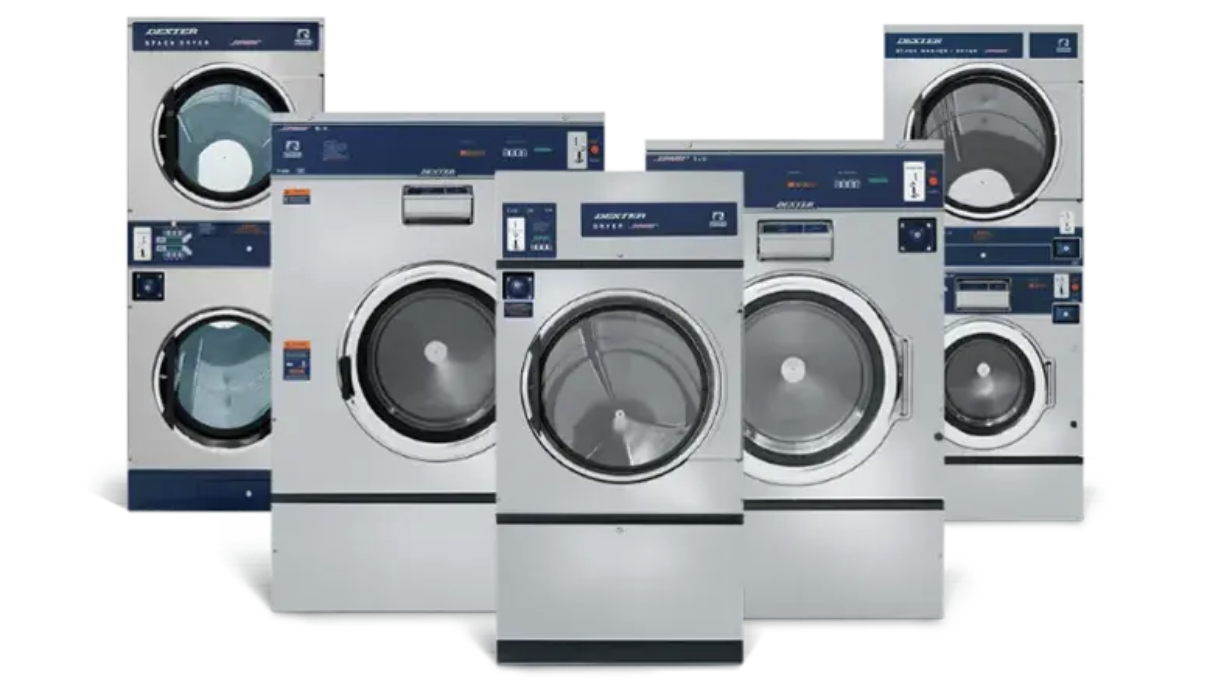
The listing does not clearly disclose the age, condition, or replacement schedule of the washers and dryers.
That is a major omission because equipment replacement can completely change the economics of a laundromat acquisition.
Commercial washers and dryers can cost approximately $4,000 to $6,000 each, with larger-capacity machines potentially costing considerably more.
If a store has dozens of aging machines, the buyer could face hundreds of thousands of dollars in capital expenditures shortly after closing.
Older equipment can also consume more water, gas, and electricity, require more repairs, and create a worse customer experience.
That means the equipment affects more than future replacement costs. It can also help explain the company's below-average margin.
Because real estate is not included, the value of this business depends heavily on the lease.
Laundromats are expensive and disruptive to relocate because they require specialized plumbing, drainage, gas, electrical capacity, ventilation, permits, and equipment installation.
A short lease term or aggressive rent increases can therefore destroy the value of an otherwise profitable operation.
The buyer should review the remaining lease term, renewal options, scheduled rent increases, common-area charges, assignment provisions, personal guarantees, and landlord approval requirements.
A strong laundromat acquisition should ideally have enough lease control to justify both the purchase price and any future equipment investment.
Laundromats depend on a consistent customer base within a relatively small trade area.
Population density, renter concentration, household access to in-unit laundry, visibility, parking, nearby competition, and neighborhood safety can all materially affect revenue.
A store can show strong historical financials and still face future pressure if a modern competitor opens nearby or surrounding apartments begin adding laundry facilities.
Buyers should verify that the location remains structurally attractive rather than assuming historical sales will continue indefinitely.
How old is every washer and dryer, and when was each machine last replaced or significantly repaired?
I would request a complete equipment schedule showing brand, model, capacity, age, maintenance history, serial number, and estimated remaining useful life.
I would also want the complete lease, utility bills, repair records, payroll reports, tax returns, bank statements, card-system reports, and historical monthly revenue.
Utility consumption can be particularly useful. Water and gas usage should broadly support the reported wash volume and revenue.
Finally, I would visit the store at several different times and days to verify customer traffic, cleanliness, machine availability, employee performance, and nearby competition.
BizHub scores this deal an 8.0 / 10.
The valuation is attractive, debt coverage is strong, and the business produces solid projected cash flow after financing.
Seller financing, an absentee structure, and a retirement-driven sale also make the opportunity look appealing.
But the listing leaves out the most important information needed to confirm that the business is actually cheap.
If the equipment is relatively new, the lease is secure, and the location remains strong, this could be a very attractive laundromat acquisition.
If the machines are near the end of their useful lives or the lease is weak, the apparent discount could disappear quickly.
Before buying a laundromat, verify the machines, the lease, and the location. Those three variables can completely change the deal.
Want to pressure test deals like this yourself? Try the BizHub Deal Calculator →
Want to see the original listing? View it here →
See how reported Laundromats And Coin Laundry sale prices and transaction volume compare with this listing.
This laundromat is completely brand new, but is it actually a good buy?
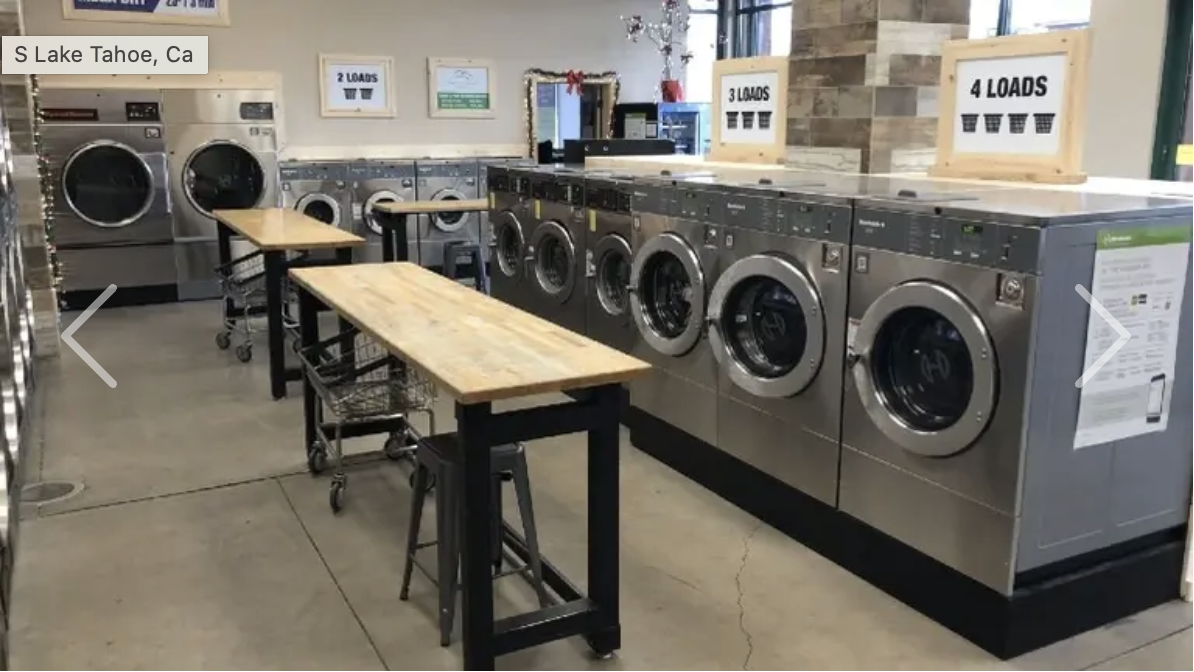
Three locations, strong story… but the math completely breaks.
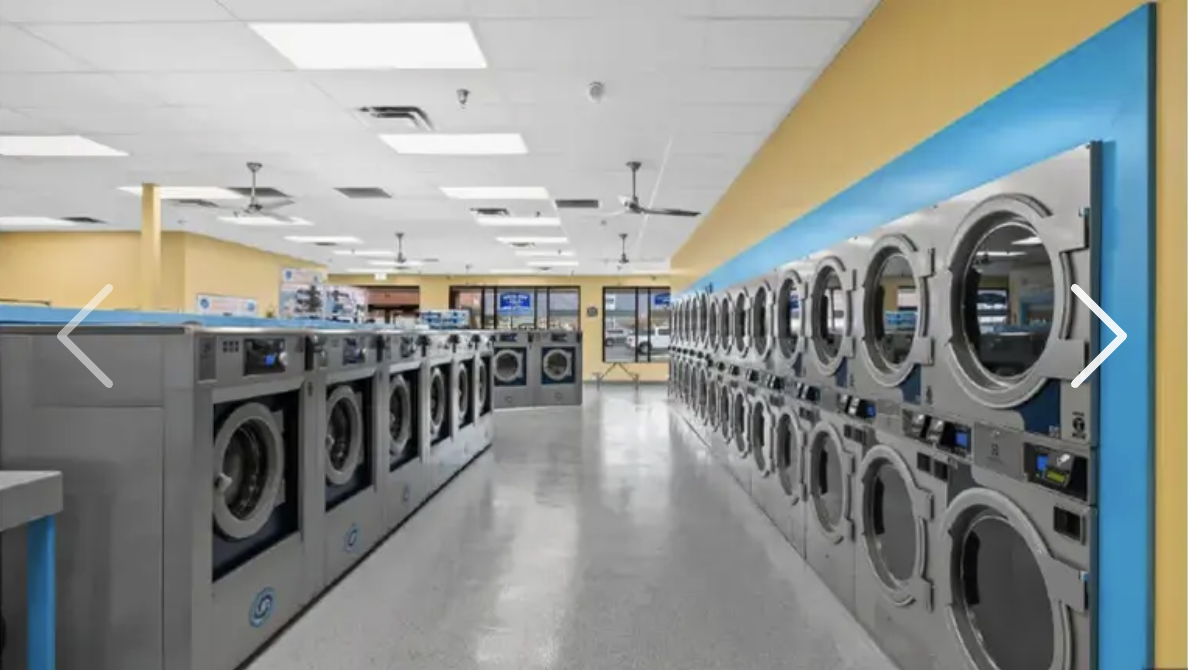
Great margins, solid cash flow… but the lease can change everything.