
Deal BreakdownJun 25, 2026
This Fencing Business Claims The Owner Works 2 Hours A Week
Strong cash flow, real estate included, and almost no owner involvement. If that...
Most buyers would jump all over this roofing business. But a bank probably would not.
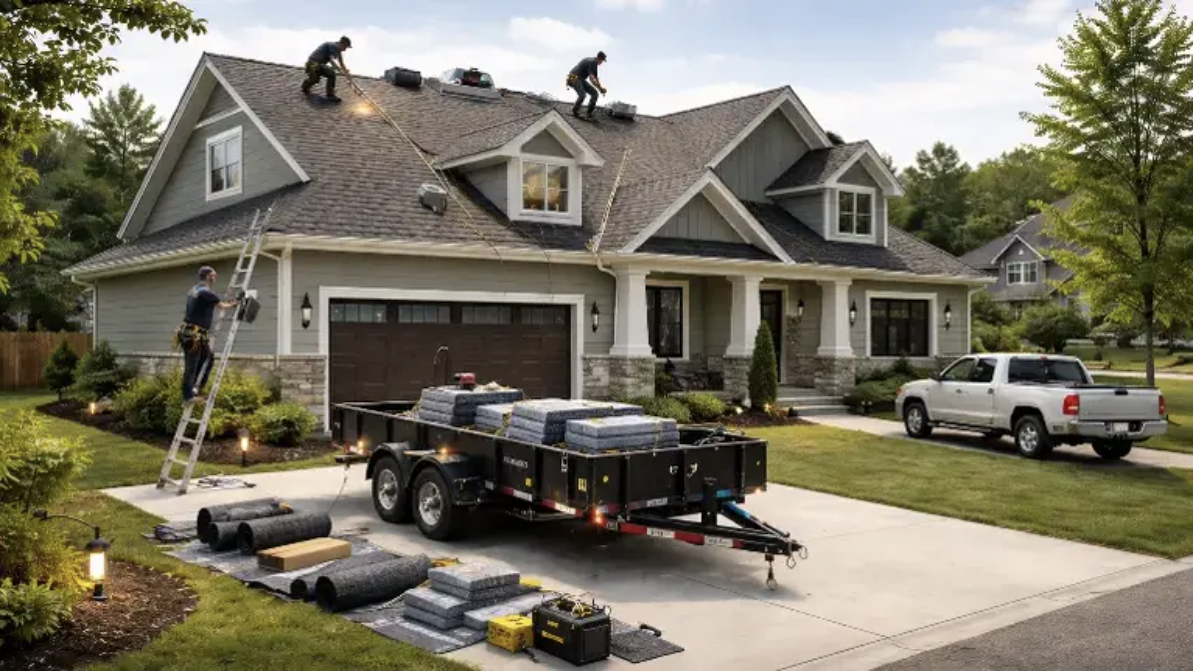
This company operates in Cumberland County, Maine and focuses primarily on residential retail roofing, while also offering siding, windows, gutters, and related exterior renovation work. According to the listing, the business has grown quickly through digital lead generation and home services platforms, without relying on door-to-door canvassing.
Operationally, it looks more structured than the average small contractor. The listing describes an established team handling office administration, project management, and commissioned sales, while subcontracted crews perform installation. That makes the model relatively asset-light from a labor standpoint and potentially easier to scale.
The problem is not whether the business looks good today. The problem is that it was only established in 2024. And for SBA lenders, that is a massive issue.
If you run this through a standard SBA financing scenario, the numbers look attractive on paper.
That is exactly why this kind of deal traps buyers. The spreadsheet says yes. The bank may still say no.
This is not a bad business. In fact, it may be a very good one. But from an acquisition standpoint, it is too young to finance the way most buyers expect.
That is the real takeaway here. Strong numbers do not matter much if a lender will not underwrite them. Buyers waste a lot of time on deals like this because they confuse a good-looking business with a bankable one.
Want to pressure test deals like this yourself? Try the BizHub Deal Calculator →
Want to see the original listing? View it here →
See how reported Other Building And Construction sale prices and transaction volume compare with this listing.
Strong cash flow, real estate included, and almost no owner involvement. If that...
This is the kind of boring business I think a lot of buyers underestimate.
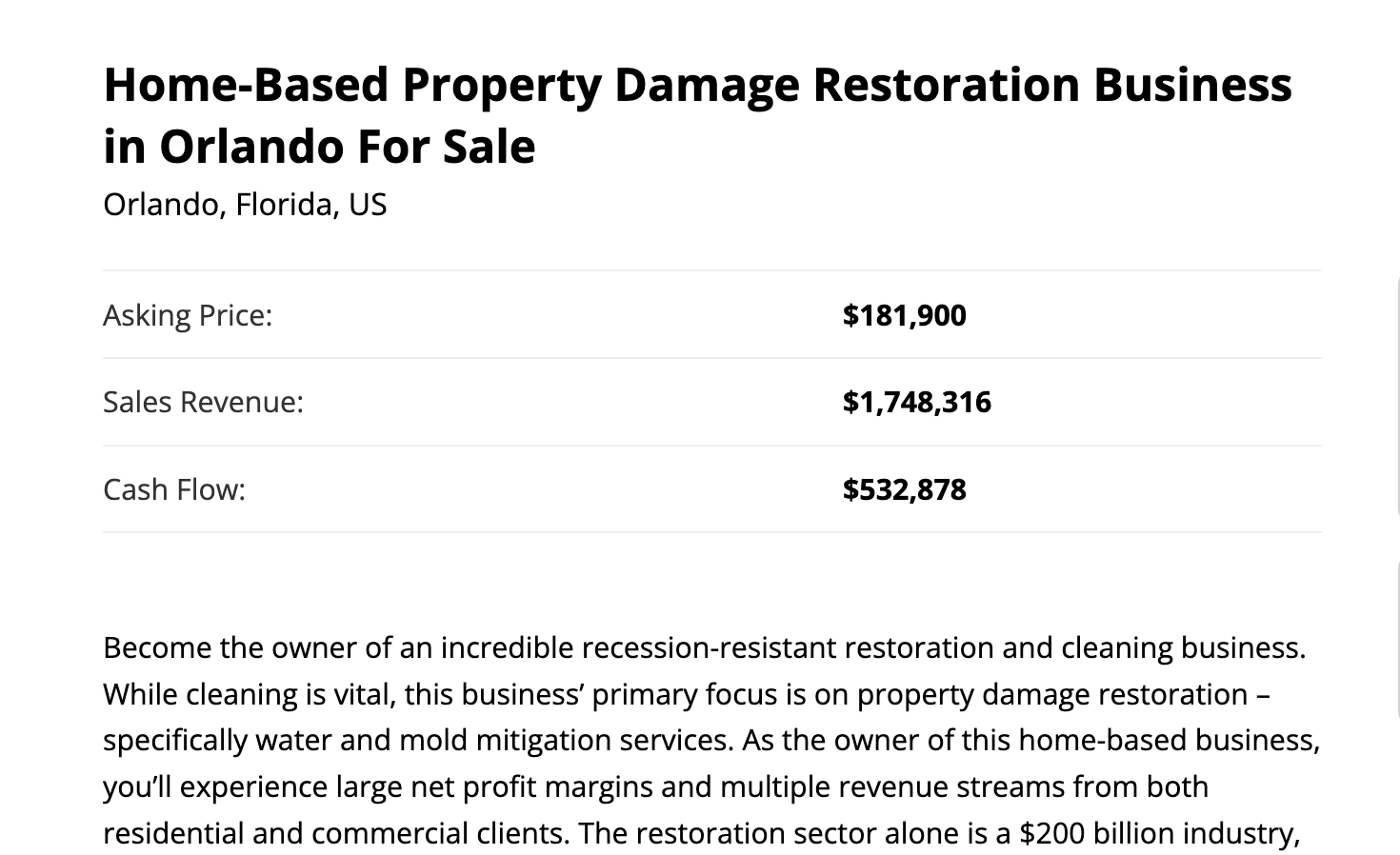
A follower sent me this restoration business out of Orlando, and honestly, the n...