

Deal BreakdownMay 27, 2026
ATM Route - High Margin, Weak Returns
Looks passive… but you're overpaying for shrinking demand.
Lower margins, higher price… and that’s the problem.

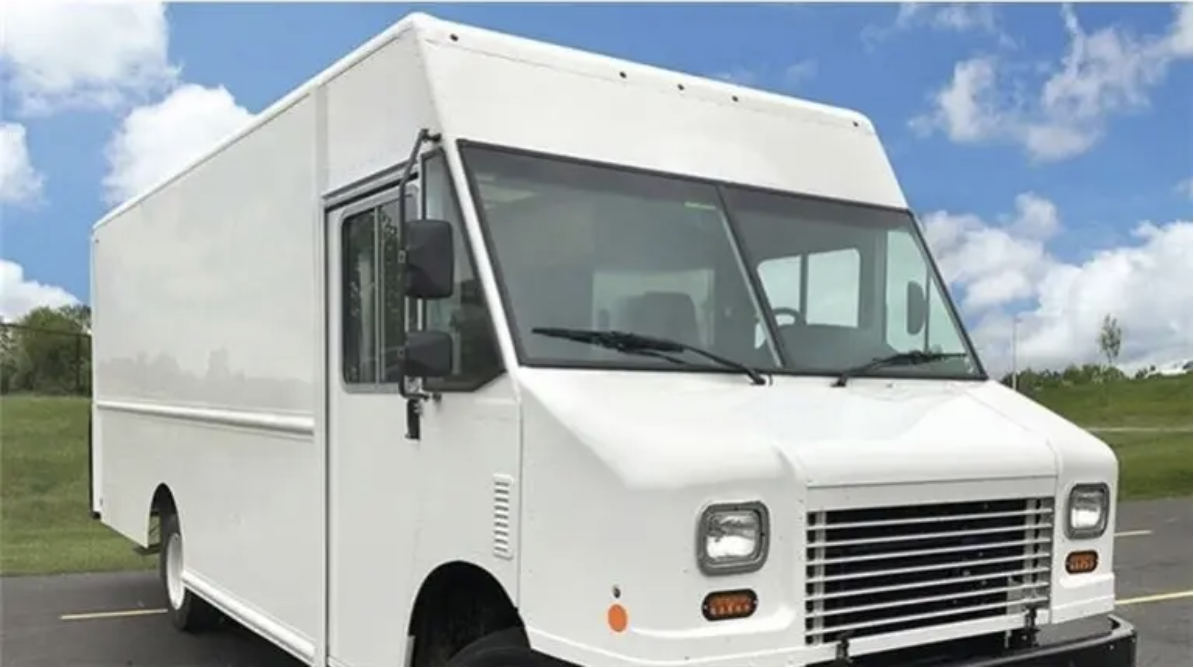
This FedEx Ground route portfolio is listed at $1.6M, generating about $1.85M in revenue and $460K in cash flow.
It’s also semi-absentee with a manager and drivers already in place.
At first glance, that sounds like a clean, scalable operation.
But once you break it down, the math doesn’t line up.
Let’s run it through a standard SBA-style scenario.
After debt, you’re left with about $223K per year.
That’s decent — but not what you’d expect at this size.
The margin is the first warning sign.
Even if the absentee setup explains part of it, that’s still a big gap.
You’re paying a premium for a weaker business.
This is the worst combination you can get.
Route businesses often get mispriced.
Buyers see:
And assume it deserves a premium.
But routes are operationally heavy, margin-sensitive, and dependent on contracts you don’t fully control.
They rarely justify high multiples.
This deal carries more risk than it looks.
You don’t have as much control as you think.
This is a mismatch.
That’s not a deal — that’s a setup for disappointment.
This deal scores a 5.1 / 10.
Not because the business is bad — but because the pricing completely disconnects from reality.
You’re paying more… for less.
Want to pressure test deals like this yourself? Try the BizHub Deal Calculator →
Want to see the original listing? View it here →
See how reported Routes sale prices and transaction volume compare with this listing.
Looks passive… but you're overpaying for shrinking demand.
People constantly ask whether FedEx routes are actually good businesses.

Looks passive… until you see the numbers.