
Deal BreakdownJul 1, 2026
Can You Really Trust The Customer Contracts?
One of our followers submitted this commercial cleaning business and asked a gre...
The valuation is attractive, the debt coverage is excellent, and the business comes with recurring customers, management, and cleaning teams already in place. But the calculator flags one major issue that could explain the low price.

This established cleaning franchise has been operating since 2002 and is being sold because the owner plans to retire from the industry.
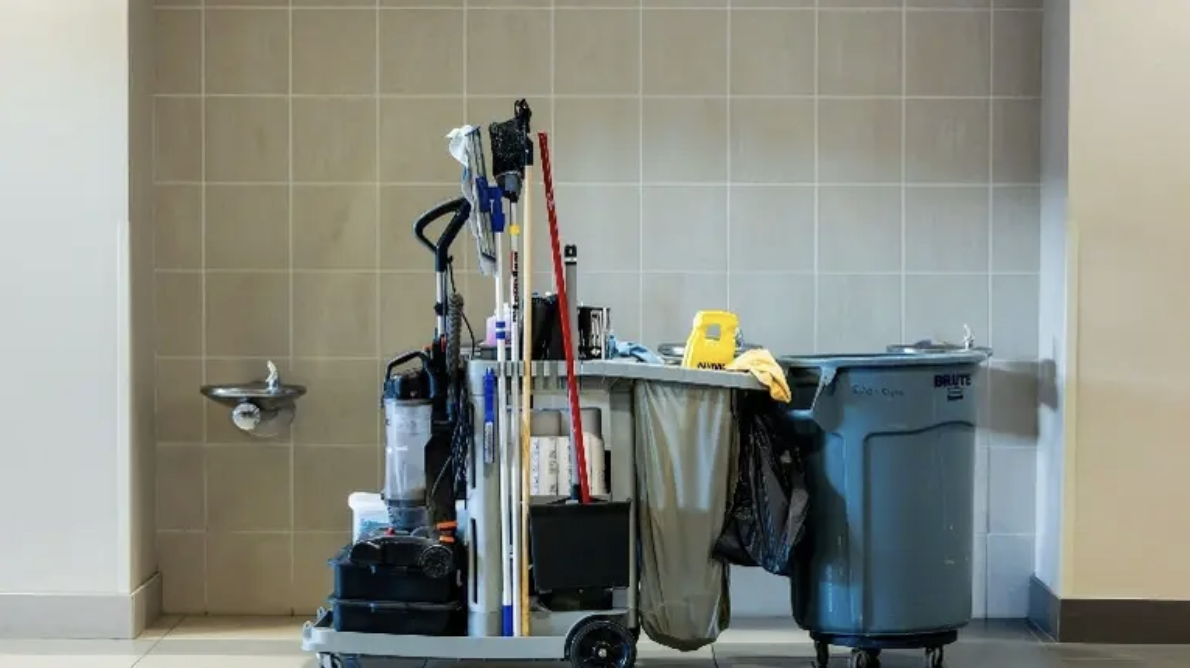
According to the listing, the business includes a trained manager, administrative staff, cleaning teams, furnished offices, supplies, and equipment.
The company also reportedly benefits from recurring customers, high retention, no accounts receivable, and no inventory.
That creates an appealing operational profile: repeat revenue, simple working-capital requirements, an existing workforce, and limited dependence on one-time projects.
The financials also look strong at first glance. But one operating metric is far weaker than the rest of the deal.
Using a standard financing scenario with 10% down, the business is projected to leave the buyer with nearly $194,000 per year after loan payments.
A DSCR of 3.03 means the business produces more than three times the cash flow required to cover its annual debt payments.
That creates a substantial buffer if revenue declines, labor costs increase, or the buyer needs to reinvest in the operation.
The projected $193,894 in post-debt cash flow is also unusually strong relative to the required $67,000 down payment.
On financing alone, this looks like a very attractive acquisition.
The asking price equals approximately 2.25x cash flow, slightly below the cleaning industry average of roughly 2.41x.
The revenue multiple is even more discounted. The business is priced at approximately 0.38x revenue, compared with an industry average closer to 0.77x.
A lower multiple is not automatically evidence of a bargain. It can also indicate weaker margins, franchise restrictions, customer risk, or hidden operating expenses.
In this case, the calculator identifies a clear reason the valuation may be lower.
The business reports a profit margin of only 16.99%, compared with an industry average of approximately 31.84%.
That is not a small difference. The company is producing roughly half the margin generated by the average cleaning business in the comparison data.
A business can still be attractive with below-average margins, especially if the reported cash flow is stable and the buyer sees a realistic path to improvement.
But before treating the low valuation as an opportunity, the buyer needs to identify exactly where the missing margin is going.
Labor is the first place I would look.
Cleaning businesses are highly labor-intensive. Small differences in hourly wages, overtime, payroll taxes, workers' compensation, employee turnover, and crew productivity can materially affect profitability.
Scheduling and route density also matter. If crews spend too much time driving between customers, arriving late, or working inefficiently across a large territory, labor hours rise without producing additional revenue.
The customer base may also be underpriced. Long-standing recurring customers are valuable, but older contracts may not have kept pace with wage inflation, supply costs, insurance, or franchise fees.
The margin gap could also be explained by unusually high management costs, excessive administrative overhead, customer discounts, rework, cancellations, or poor crew utilization.
And because this is a franchise resale, royalties and required marketing contributions may be taking a meaningful portion of revenue before it reaches the bottom line.
A franchise can provide brand recognition, operating systems, training, marketing support, and an established business model.
But it also limits how freely the new owner can operate.
The buyer should understand all recurring royalties, advertising fees, software fees, required purchases, insurance requirements, and minimum performance standards.
The franchisor may also charge transfer and training fees when the business changes ownership.
Territory restrictions are another major consideration. If the buyer cannot market outside a defined territory or add adjacent locations, the practical growth opportunity may be narrower than the listing suggests.
It is also important to verify whether the franchise agreement is being transferred with its existing term or replaced with a new agreement containing different economics.
Why is the profit margin approximately half the industry average?
I would request detailed payroll reports, employee schedules, customer-level profitability, franchise fee statements, supply expenses, insurance costs, management compensation, and monthly financial statements.
Customer-level profitability is especially important. A recurring customer is not necessarily a good customer if the contract is underpriced or requires excessive travel, supervision, or rework.
I would also review customer concentration, contract terms, cancellation rights, pricing history, retention rates, and the percentage of revenue tied to residential versus commercial clients.
Finally, I would review the complete franchise disclosure document and franchise agreement with an experienced franchise attorney before relying on the reported cash flow.
If the margin problem is operational rather than structural, the buyer may have several realistic improvement opportunities.
These could include raising prices on unprofitable accounts, improving route density, reducing overtime, changing crew schedules, renegotiating supply costs, improving employee retention, and eliminating customers that consistently generate weak margins.
Because the business already has management, cleaning teams, and a recurring customer base, even modest margin improvement could produce meaningful additional cash flow.
But the buyer should not assume those improvements are easy. If the low margin is primarily caused by mandatory franchise fees or competitive pricing pressure, the available upside may be limited.
BizHub scores this deal a 7.4 / 10.
The valuation is attractive, debt coverage is excellent, and the company generates nearly $194,000 in projected annual cash flow after financing.
Its long operating history, recurring customers, existing manager, and established cleaning teams also make the business look relatively turnkey.
But the profit margin is dramatically below the industry average, and the franchise structure may create costs and restrictions that are not obvious from the headline financials.
This could be a very attractive acquisition if the reported cash flow is accurate and the margin gap can be explained or improved.
Before buying it, I would figure out exactly why a $1.7 million cleaning business is operating at roughly half the typical industry margin.
Want to pressure test deals like this yourself? Try the BizHub Deal Calculator →
Want to see the original listing? View it here →
See how reported Cleaning sale prices and transaction volume compare with this listing.
One of our followers submitted this commercial cleaning business and asked a gre...
If I had to buy one type of boring business tomorrow, commercial cleaning would...

Looks scalable… until you see what it's built on.